Since last Friday, we have heard whispers the National Tax Office may postpone the date to file taxes for the first quarter of this year, but this was not debated until yesterday, and finally published this morning. Royal Decree-Law 14/2020, 14th April is the latest addition to a growing list of laws that have been approved in the month since the entire country has been in a State of Emergency.
This new decree states that the deadline to file taxes has been extended to 15th May 2020 (that is for accountants to file the returns) with payment due on 20th May 2020, as long as the sole trader or company’s income did not exceed 600.000 euros in 2019 (which means approximately 95% of all businesses in Spain will benefit from this change).
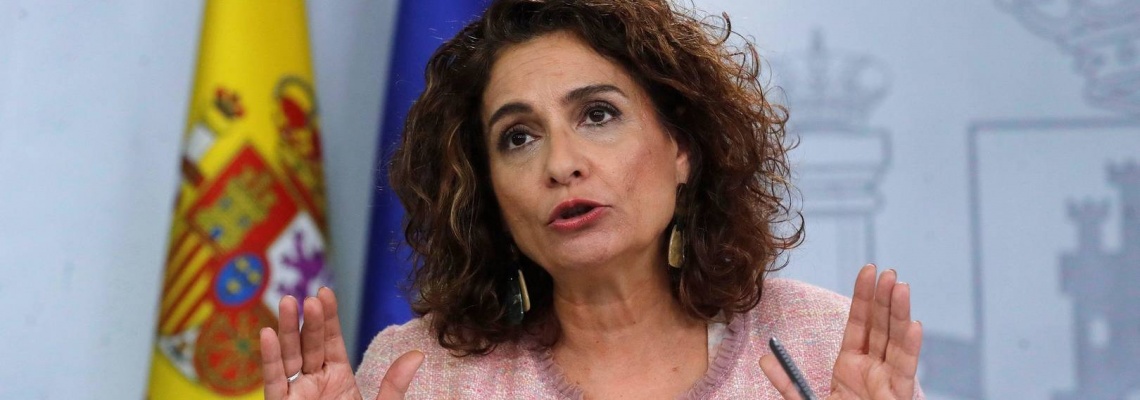
The Treasury Minister and Spokesperson for the Government, María Jesús Montero said in yesterday’s press release that this measure will help businesses fulfil their tax obligations and allow for better cash flow under these difficult circumstances. Associations that represent accountants, economists and the like have rallyed the Tax Office to take this step because of difficulties in contacting clients, obtaining the necessary paperwork etc., but the Tax Office has had a long time to make this decision and has chosen to wait until the deadline to make it official.
I would like to say a massive THANK YOU to all of my clients who have been fantastic throughout this situation. They managed to get their accounts to us and we were able to input their documents and advise them of the tax result before the deadline just in case the Tax Office did not back down. Although most taxes were filed, they won’t be charged to your bank accounts until 20th May 2020 as shown in the decree. All requests for payment of these taxes in installments will also be honoured.
On another note, I have some statistics of interest for you:
* 941.000 applications for sole trader unemployement have been registered
* 396.000 sole traders and companies have applied for ERTEs (suspended contracts for their employees)
* 36.048 employees who have either contracted the virus or have had to self isolate are receiving financial aid in concept of Professional Illness